Why Switzerland Was Made for Cycling
Discover a country designed for cycling — where world-class routes, flawless roads, and ever-changing Alpine scenery meet in perfect precision.
Quick links
Don't want to read all this?
We've planned 800+ cycling trips. Send your dates, fitness and group size — we'll map the route and book every night.


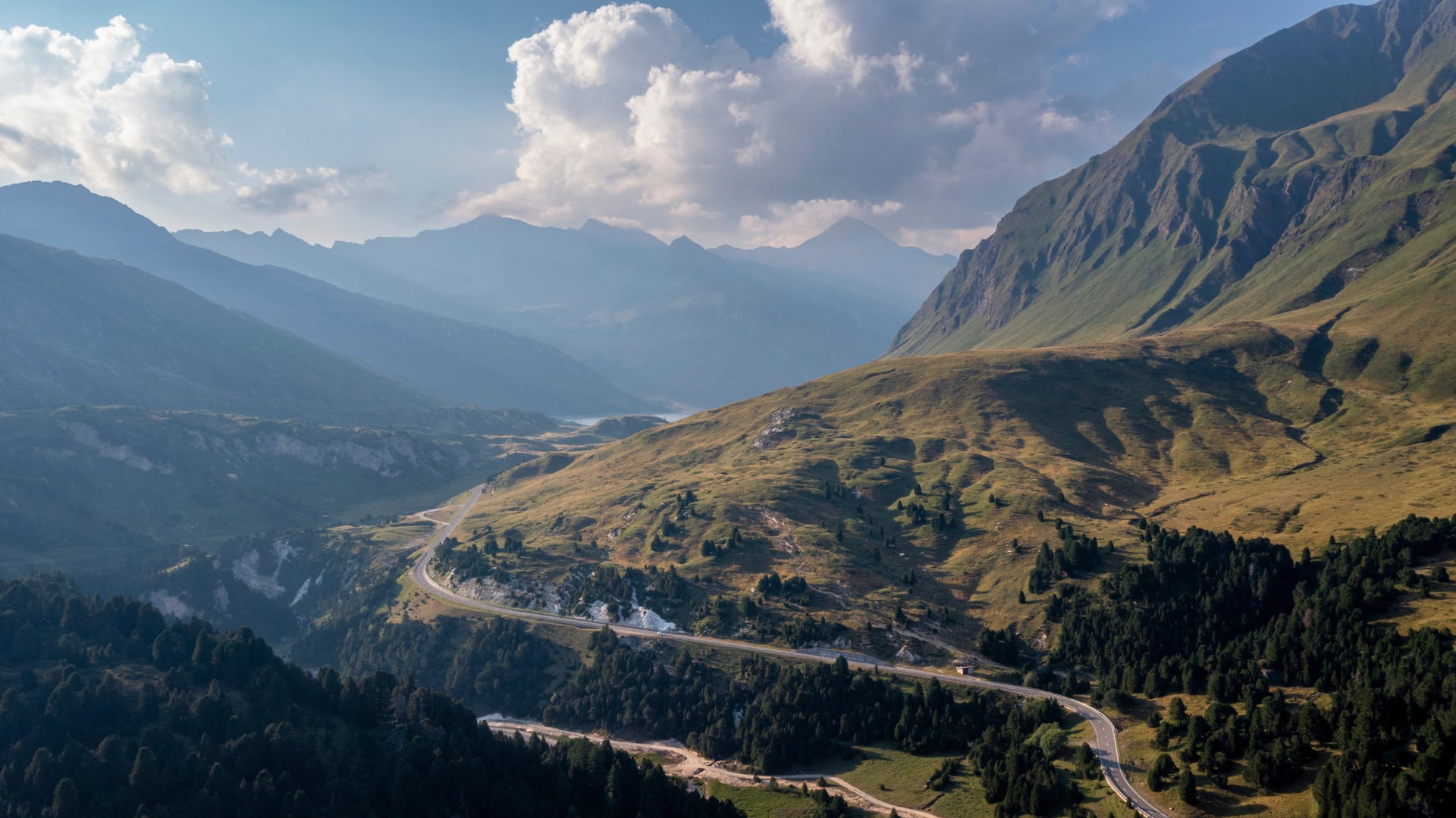
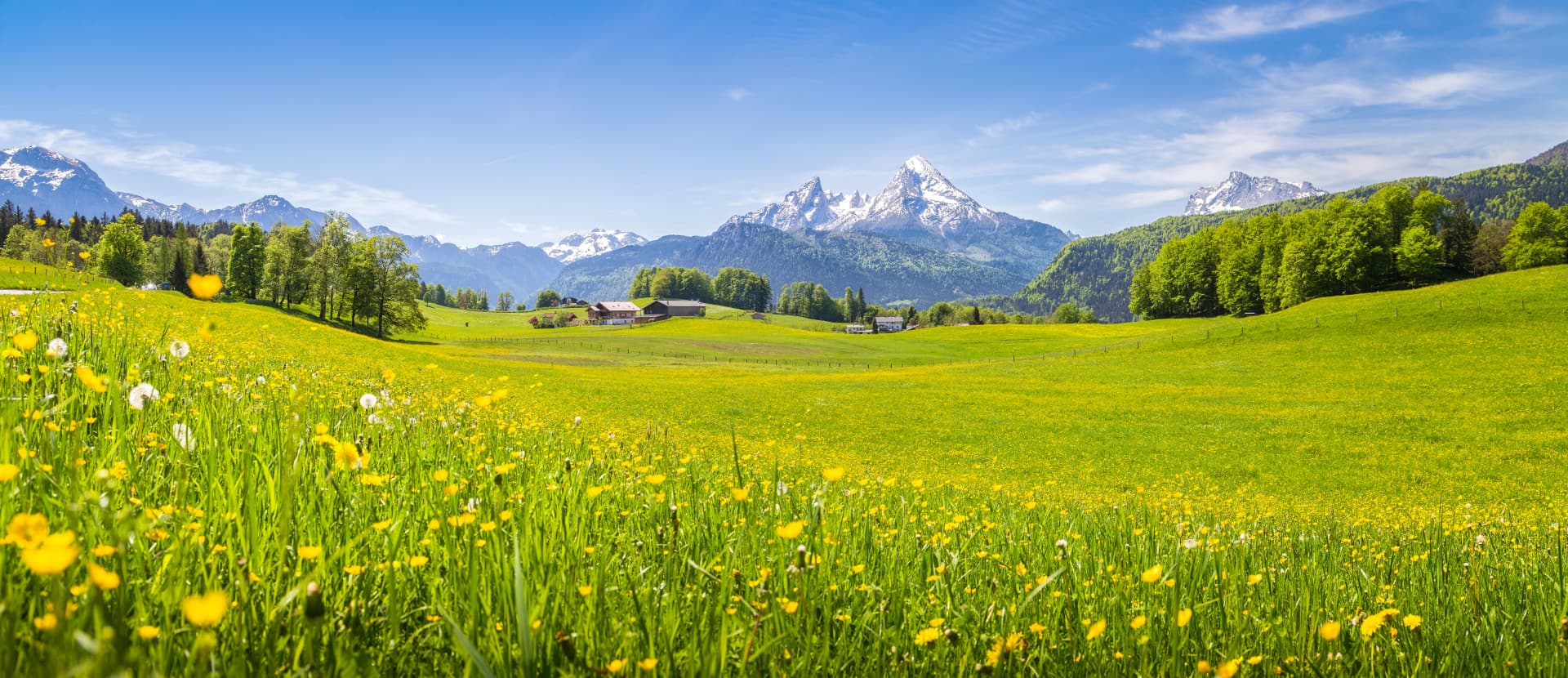
Switzerland offers an extraordinary mix of mountain passes, mirror-like lakes, vineyards, and medieval towns — all within a country so compact that the scenery can transform completely in the space of a single ride.
Here’s a glance at why it should be at the top of your cycling list:
Unmatched variety in a small space – ride from glacier valleys to vineyards and palm-lined lakes in just a few days
11,000 kilometers of marked routes – including 11 national trails and over 50 regional circuits under the Veloland Schweiz network
13 UNESCO World Heritage Sites – from the Lavaux Vineyards to the Old Towns of Bern and Bellinzona
Impeccable infrastructure – smooth roads, reliable signage, and services designed with cyclists in mind
Bike-friendly public transport – bikes welcome on trains, boats, and PostBus routes across the country
Clean, safe, and sustainable – Switzerland consistently ranks among the safest and most eco-conscious nations in Europe
Multilingual culture – experience German, French, and Italian regions without crossing borders
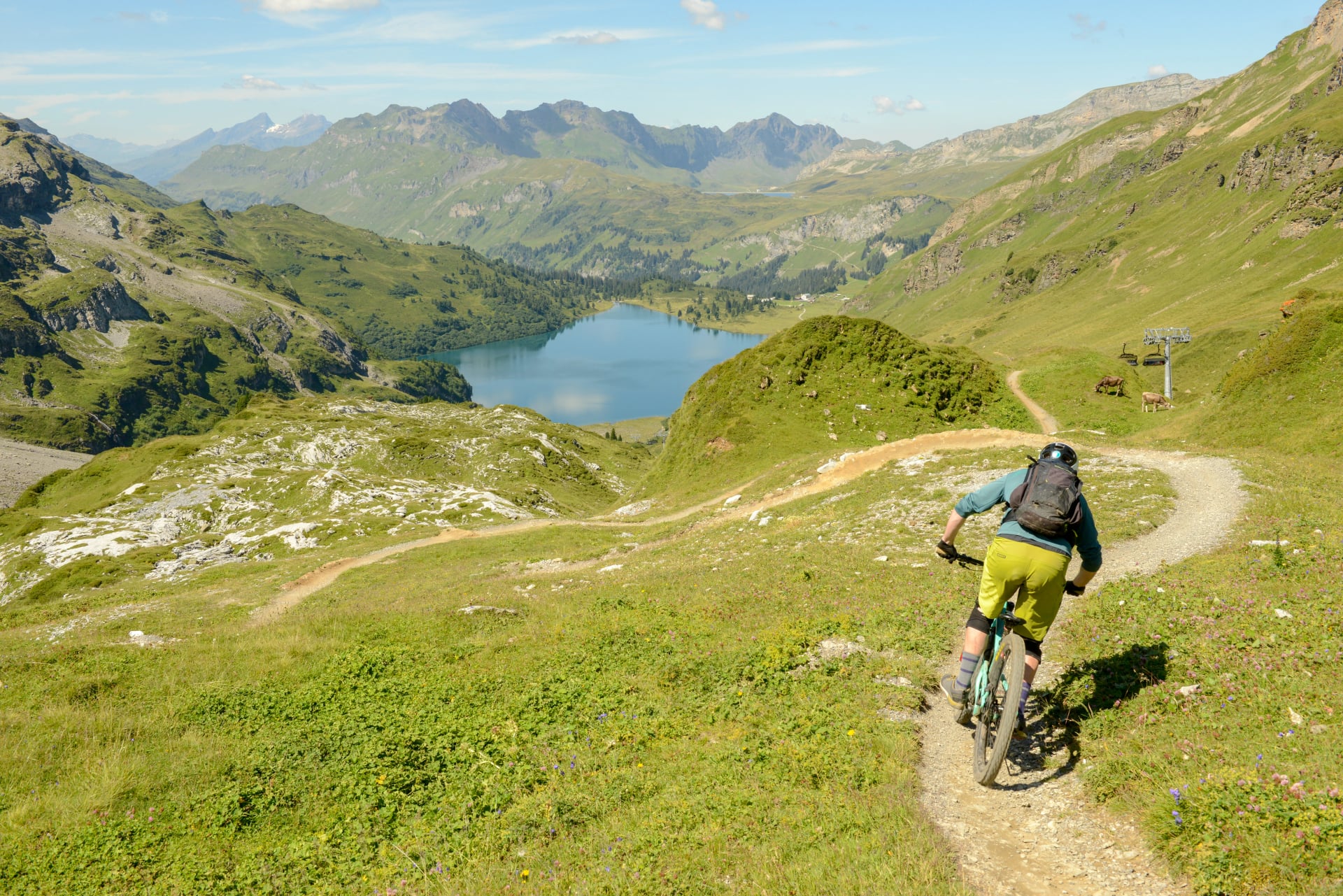
1. Compact but with Plenty of Scenery to Offer
Switzerland may be small, but it delivers an astonishing concentration of natural beauty. Within a few days, cyclists can ride from snow-capped passes to serene lakes, from vineyard terraces to medieval town squares — all without leaving the country.
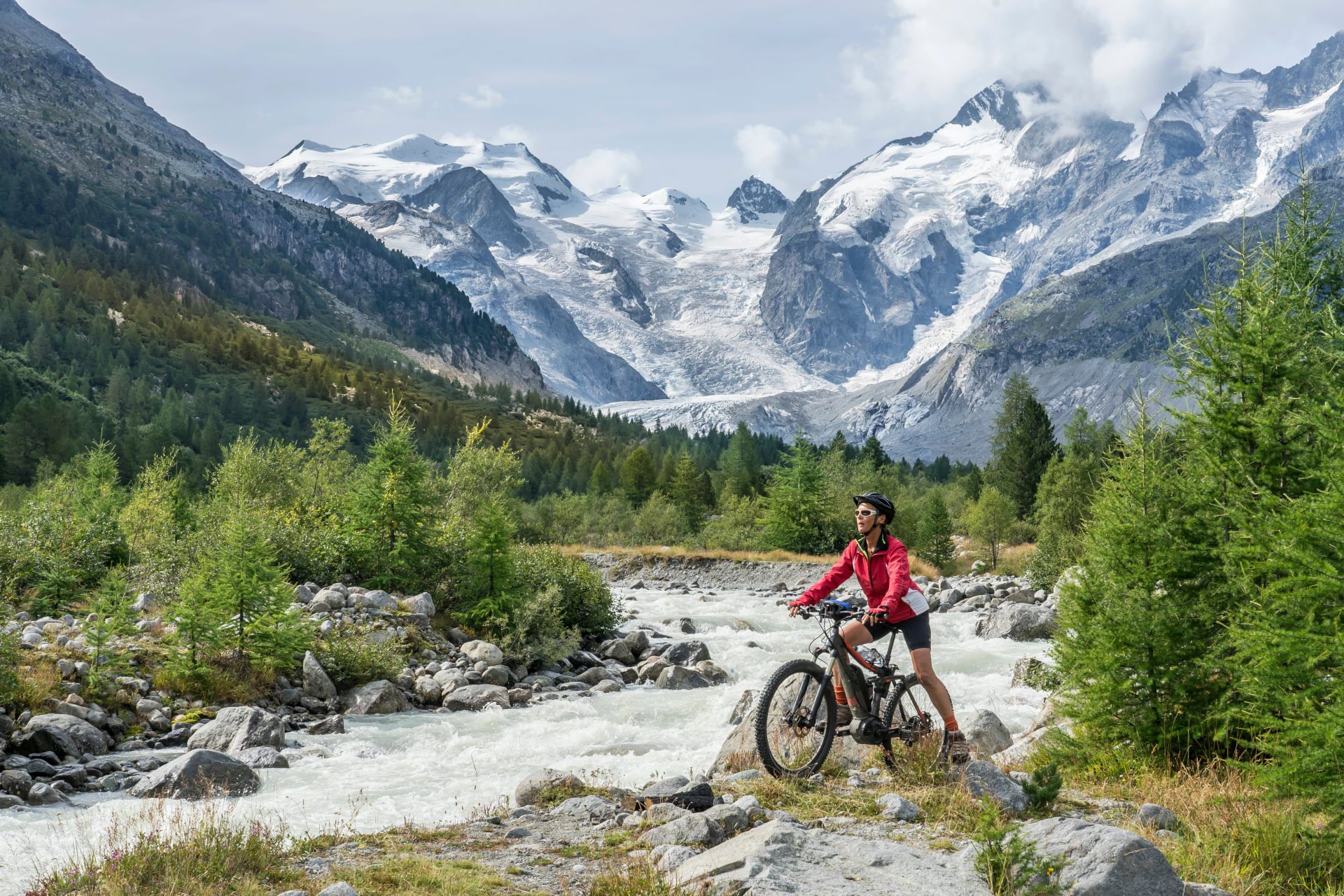
Despite its modest size, the scenery changes fast. Alpine passes give way to green valleys, mirrored lakes, and storybook towns, making every ride feel new. Distances are short, infrastructure is excellent, and even the most scenic routes remain accessible.
Highlights include:
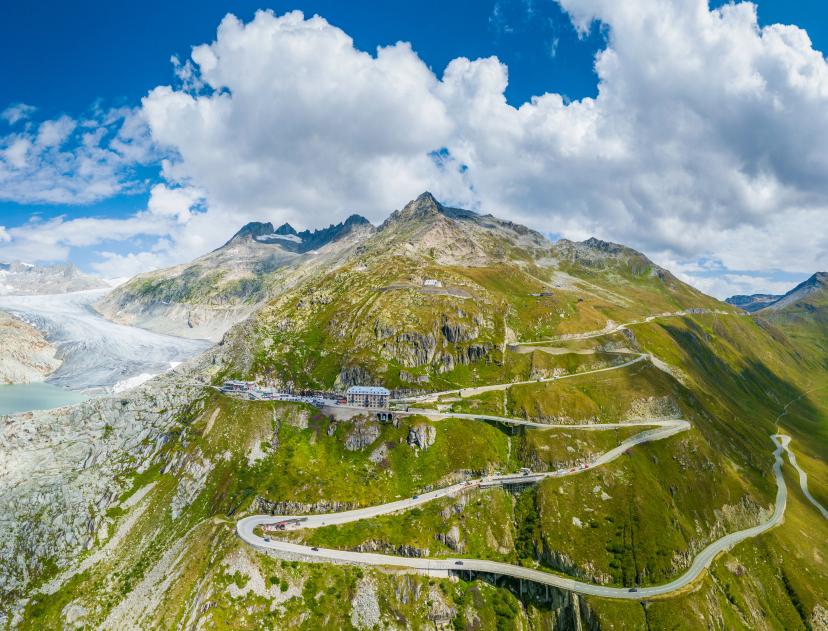
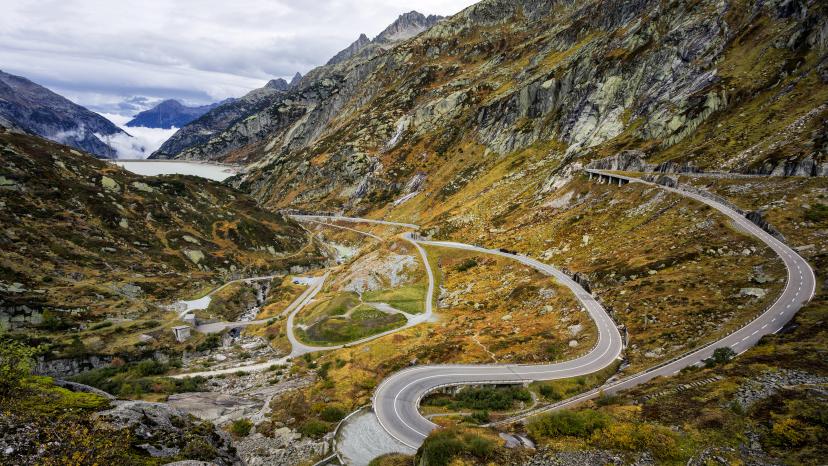
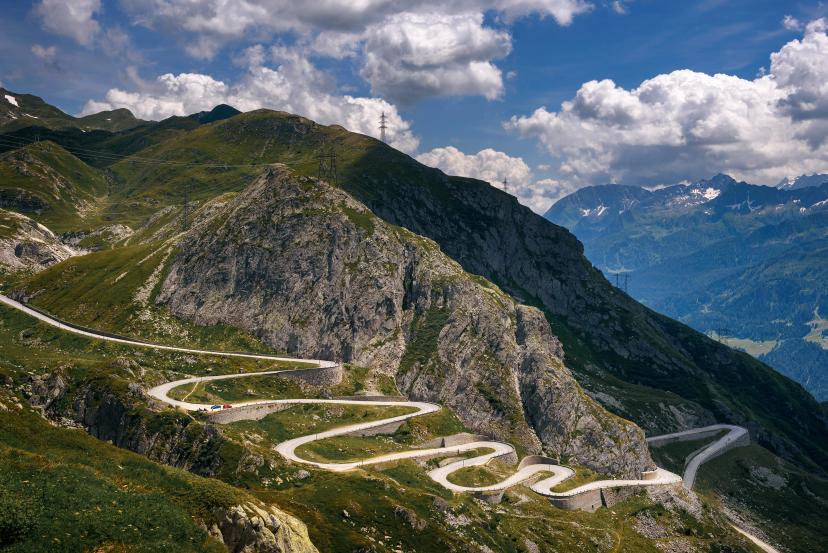
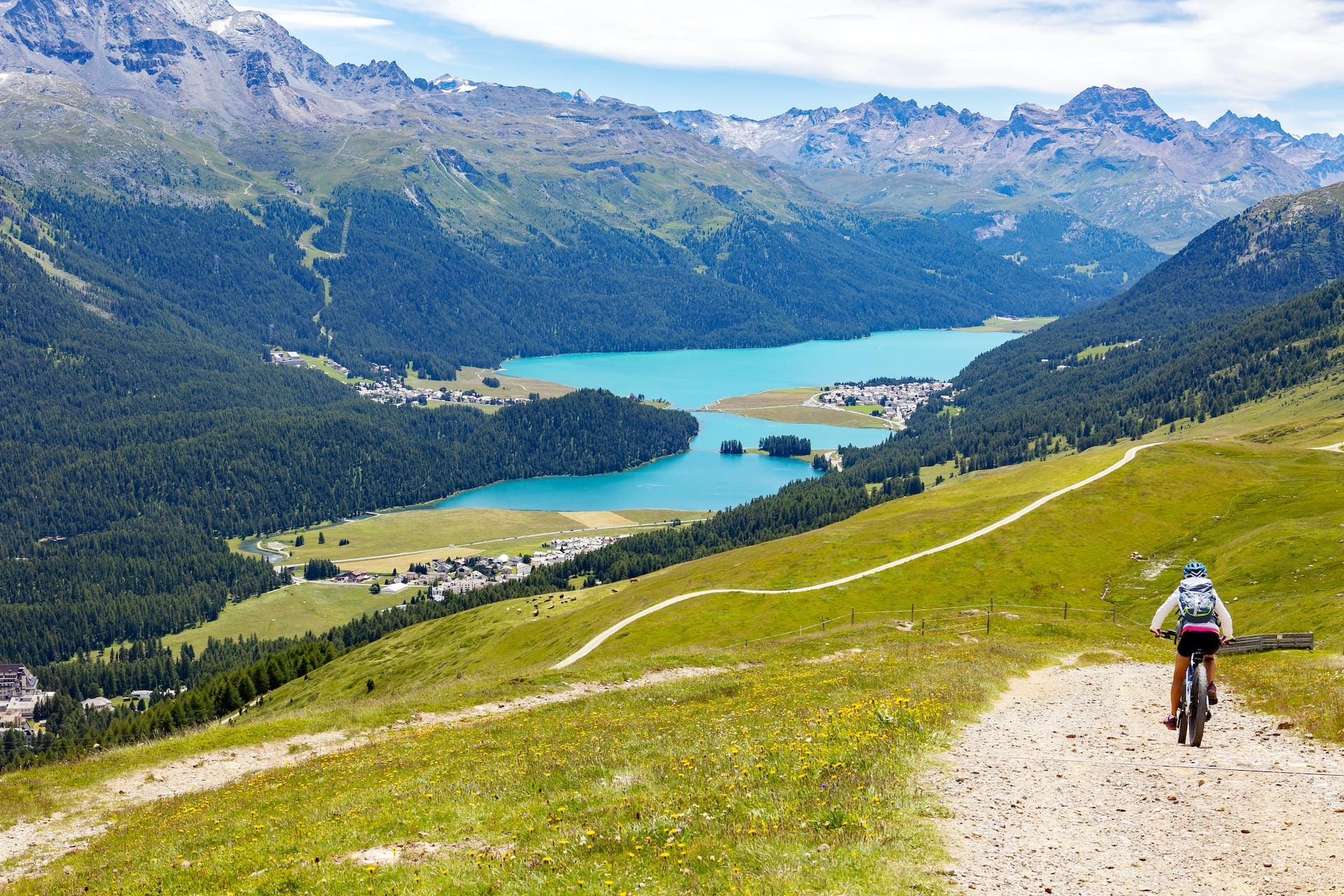
Alpine passes like the Furka, Grimsel, and Gotthard, where challenging climbs meet cinematic views:
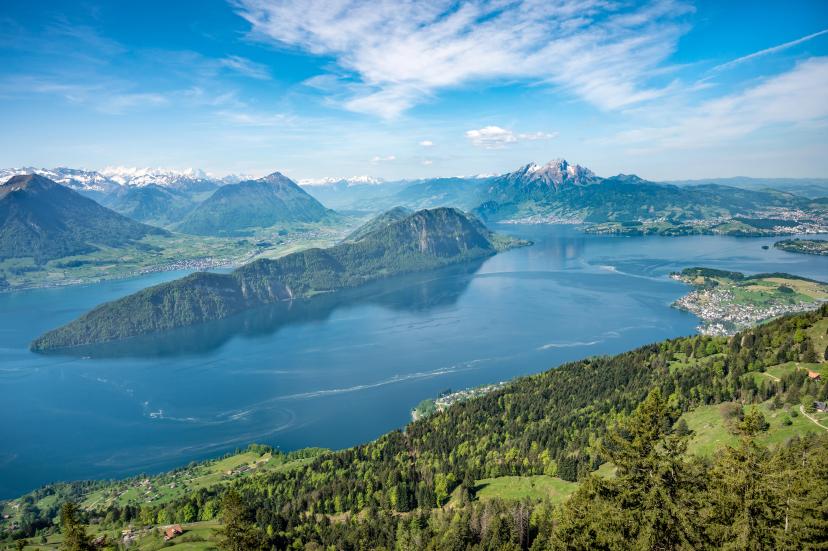
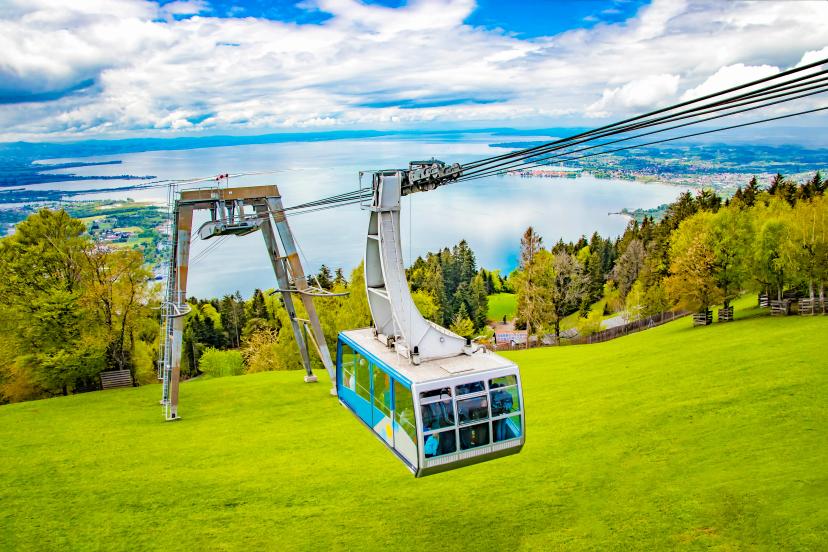
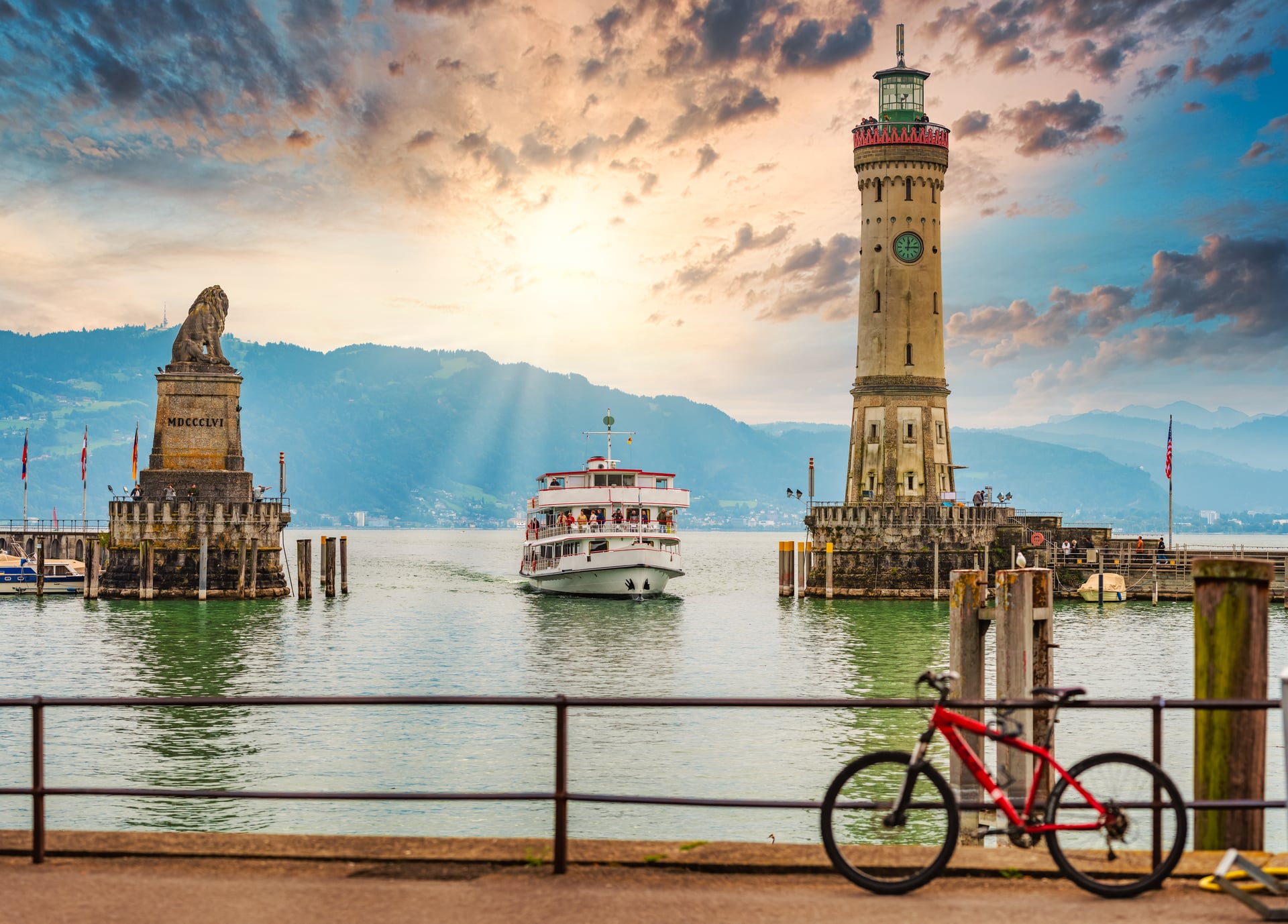
Lakeside routes around Lake Lucerne and Lake Constance, perfect for relaxed touring:
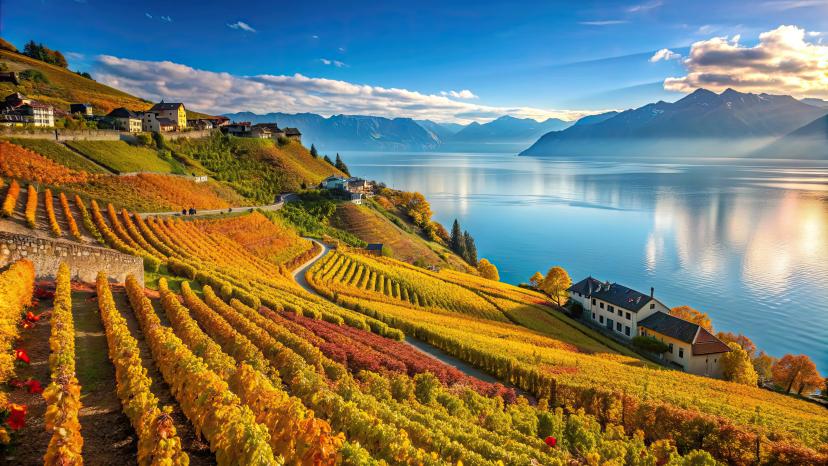
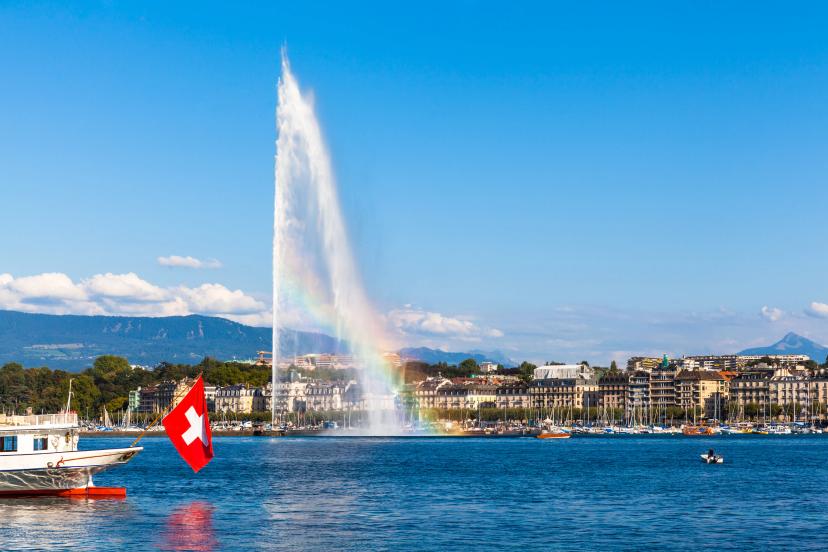
Vineyards of Lavaux, a UNESCO-listed stretch of terraced slopes above Lake Geneva:
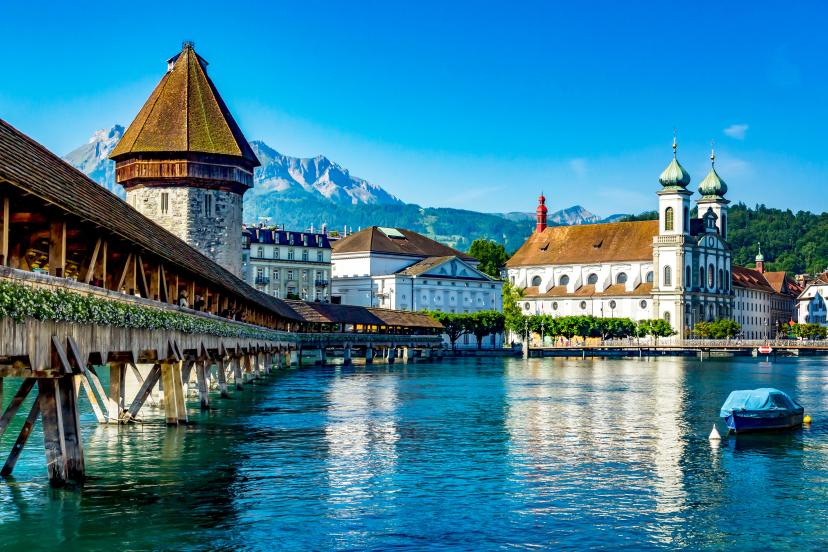
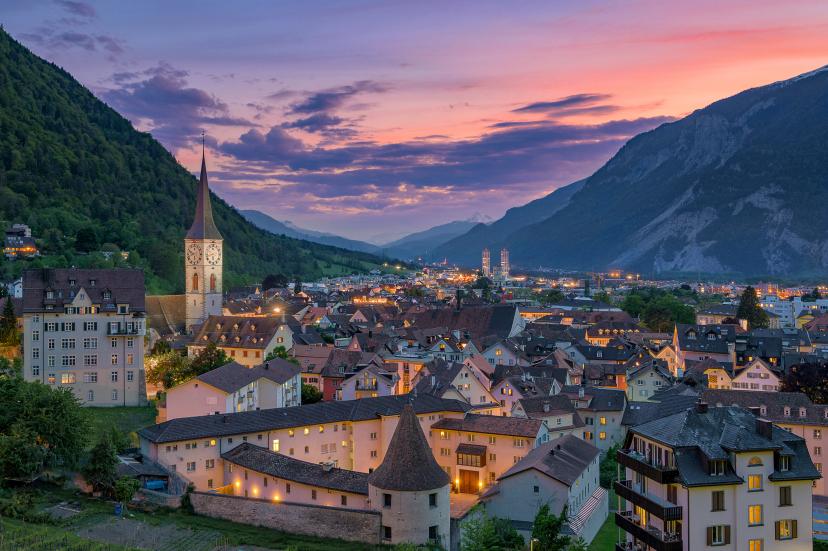
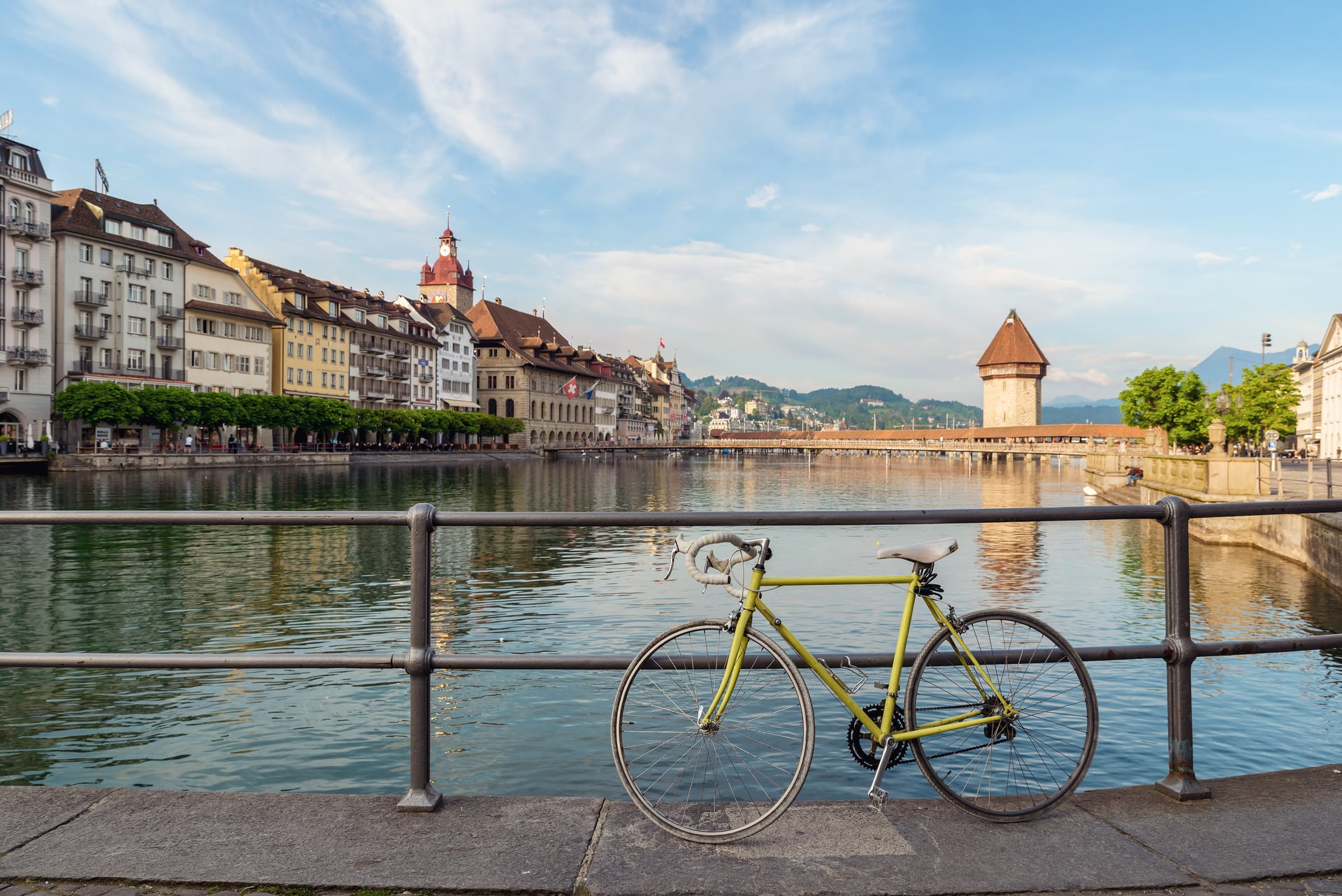
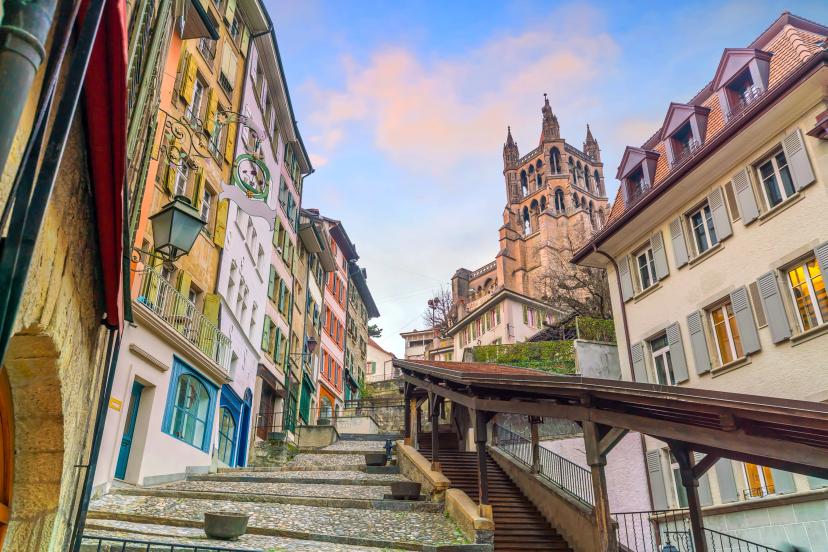
Historic towns such as Lucerne and Chur, where culture and landscape meet seamlessly:
For those who want to experience Switzerland’s best contrasts — from lakeside calm to alpine energy — our Lucerne Bike Tour capture both worlds beautifully:
From snowy peaks to vineyard paths, every corner of Switzerland reveals something new just a few pedals away. See more scenic inspiration on our Top Regions & Routes in Switzerland page.
2. Safe Country to Travel
Did you know that Switzerland ranked 5th on the 2025 Global Peace index?
Few countries match Switzerland’s reputation for safety and order — both on and off the bike. Roads are impeccably maintained, signage is clear, and drivers are famously respectful of cyclists.
Combined with low crime rates and world-class healthcare, it's a destination that lets riders focus fully on the journey.
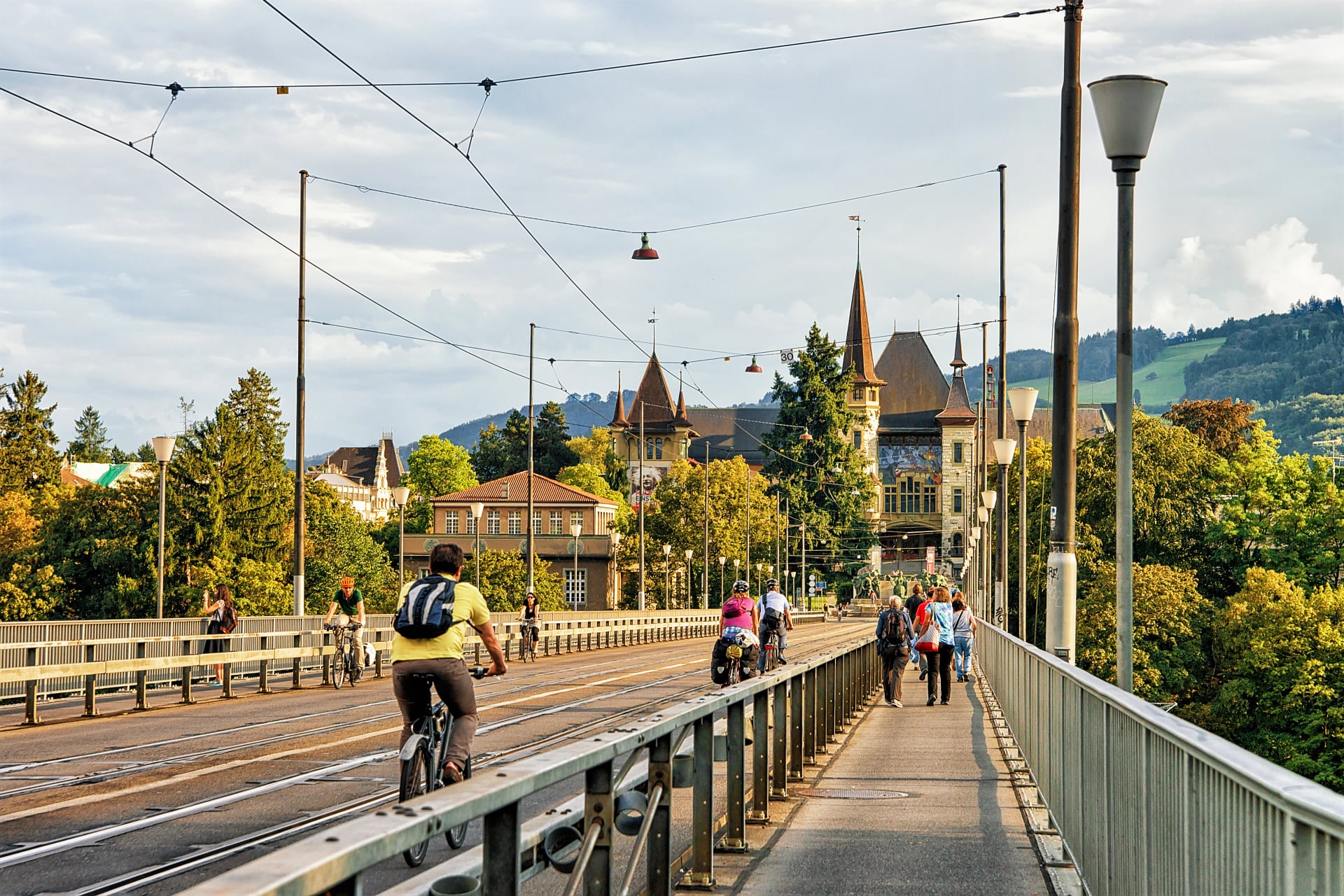
Cyclists of all ages can explore confidently, whether gliding through lakeside towns or climbing into the Alps. Many regions even organize car-free pass days, where entire mountain routes are reserved exclusively for bicycles — a uniquely Swiss celebration of cycling freedom.
What makes it so reassuring:
Exceptionally low crime and courteous, law-abiding drivers
Clean, well-marked roads and cycle paths are maintained to near perfection
Family-friendly infrastructure ideal for leisure riders and first-timers
Car-free events like SlowUp days that let cyclists enjoy mountain passes safely
Reliable emergency services and clear route signage in multiple languages
For those seeking a relaxed and secure cycling experience, the Lake Constance Cycling Tour is one of the best introductions to Switzerland — gentle routes, lakeside scenery, and easy navigation through three countries.
Switzerland proves that adventure and safety can go hand in hand — making it an ideal choice for stress-free cycling holidays.
3. Bike-Friendly Country
Switzerland might be known for precision watches and punctual trains, but that same level of care extends to its cycling infrastructure.
The Veloland Schweiz network spans over 11,000 kilometers of signposted trails, connecting mountain passes, lakesides, and historic towns in one seamless system. Whether you’re planning a weekend ride or a cross-country journey, everything is built to keep cycling smooth, scenic, and stress-free.
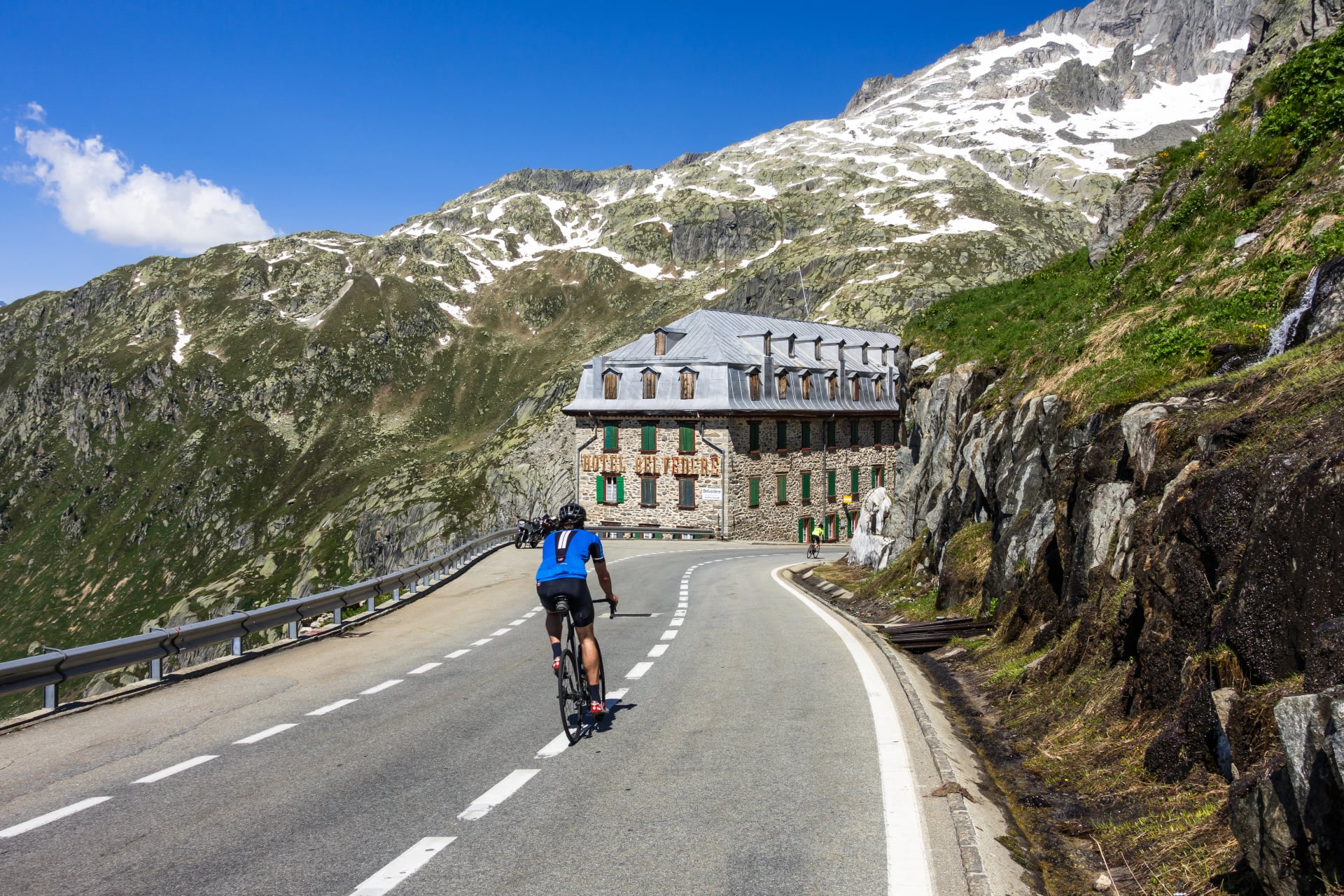
What makes it stand out:
Veloland Schweiz network – 9 national and more than 50 regional routes covering every corner of the country
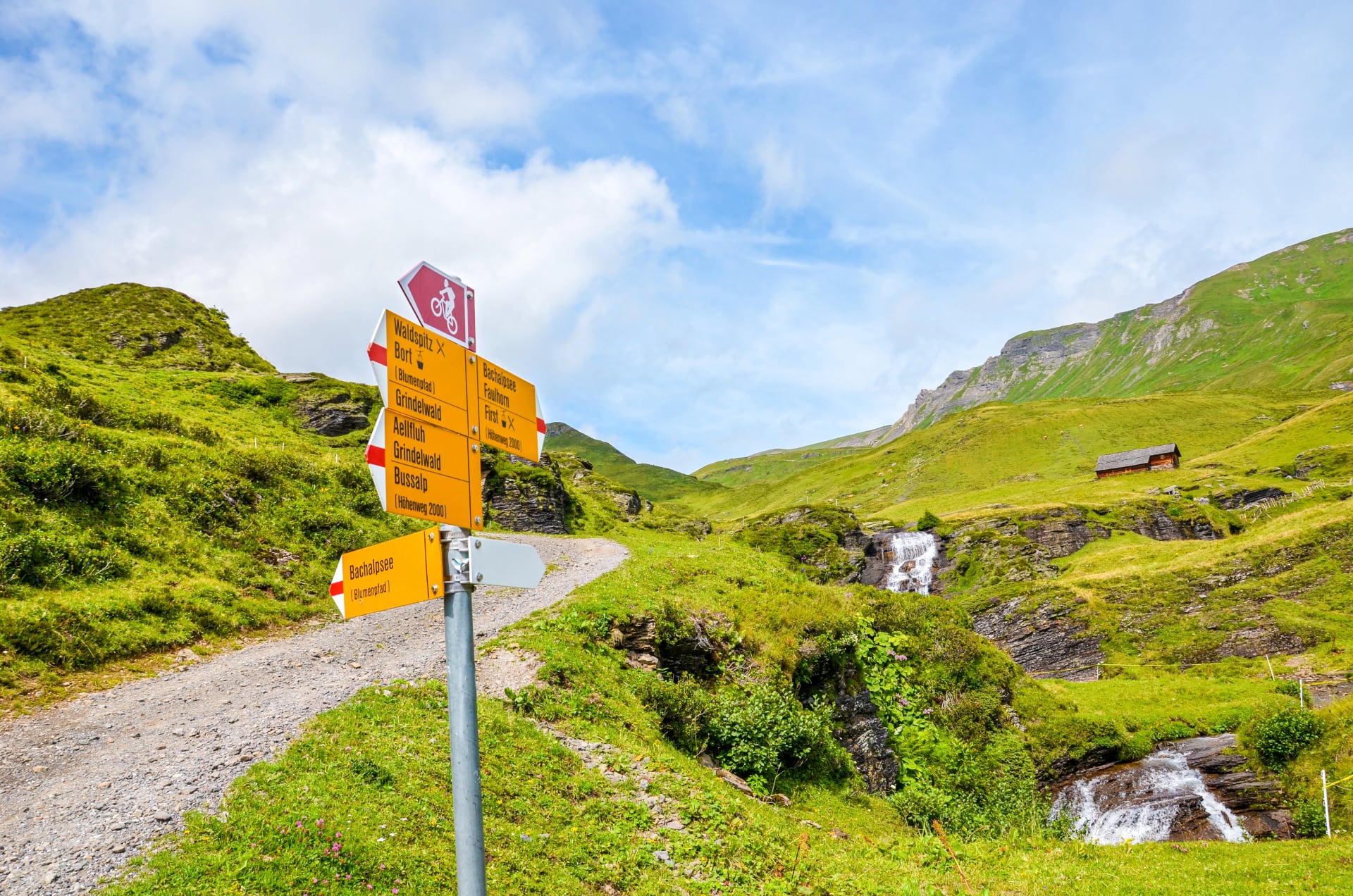
Clear, reliable signage – consistent red route markers and detailed maps across all cantons
Integrated transport – bikes are welcome on trains, ferries, cable cars, and PostBuses, allowing flexible one-way rides
Cyclist-ready amenities – from e-bike charging points and repair stands to bike-friendly hotels with storage and early breakfasts
Swiss precision in planning – timetables and connections run reliably, even in the most remote valleys
Switzerland’s cycling infrastructure mirrors its national character — efficient, well-organized, and designed for both challenge and comfort. When crossing the Alps or following lakeside paths, cyclists can rely on the country’s flawless systems to make every journey effortless.
See more practical details about transport and route logistics in our Travel & Practical Tips for Cycling in Switzerland guide.
4. Routes for All Cyclist Levels
Switzerland’s terrain may be famous for its peaks, but its cycling routes are suitable for everyone. The country’s cycling routes are designed for everyone — from relaxed travelers seeking lakeside scenery to experienced cyclists chasing legendary climbs.
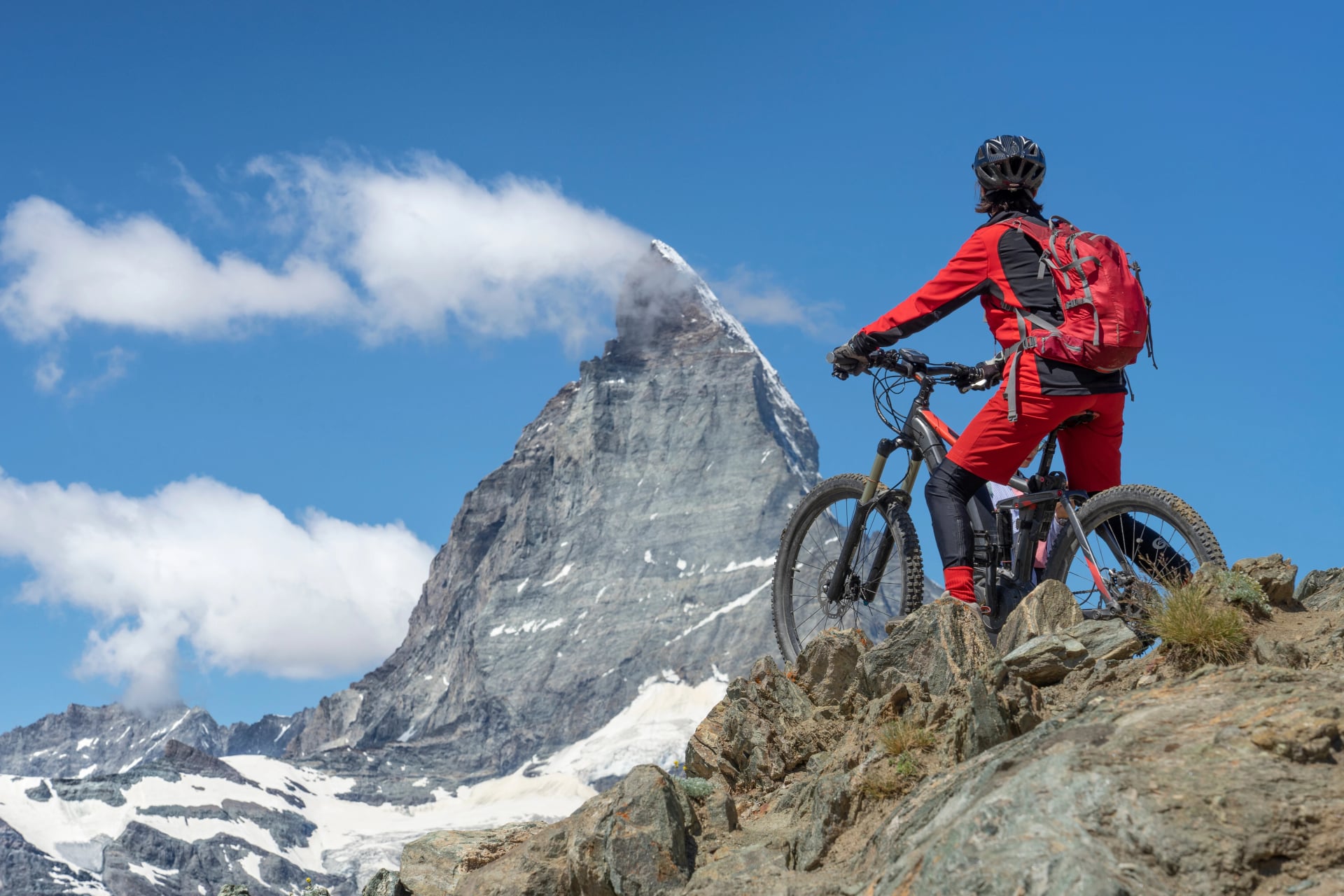
Within just a few kilometers, landscapes can shift from flat vineyards to alpine valleys, giving each route a sense of discovery.
Easy terrain:
Challenging climbs:
Switzerland’s diversity means you don’t have to choose between comfort and challenge — both can exist on the same journey. You might start your day coasting by vineyards and finish it surrounded by snow-capped peaks.
Not sure where to start? Explore our full selection of Switzerland cycling tours to find a route that matches your fitness level and riding style.
5. Seasons That Shape the Swiss Cycling Experience
Switzerland’s cycling calendar follows the rhythm of its mountains — snow shaping winter, meltwater greening the valleys by spring, and golden vineyards marking the arrival of autumn.
It is a classic three-season cycling destination, with the best riding months stretching from April to October. Within that window, conditions vary beautifully — from springtime lake blooms to golden autumn vineyards.
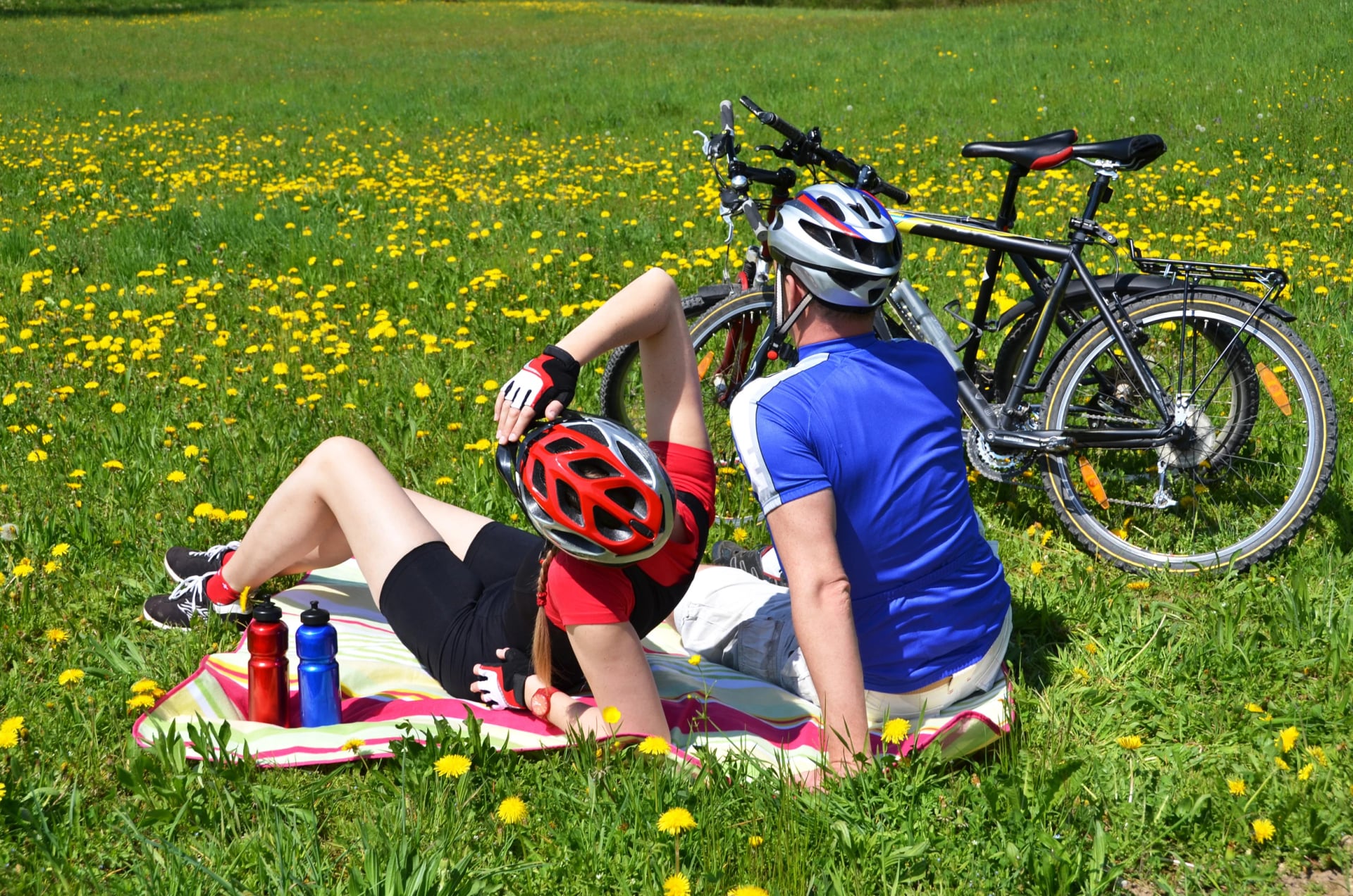
Summer is the only time when all Alpine passes are fully open, drawing cyclists from around the world. Winter, with snow even at lower altitudes, is better suited to skiing than cycling.
For most riders, late May to early October strikes the perfect balance between accessibility, comfort, and natural beauty.
What to expect by season:
Spring (April–June): Mild days (10–20°C) and clear air make this an excellent time for touring lake regions such as Lucerne or Constance. Apple blossoms and green meadows return, and crowds are light before summer peaks.
Summer (July–August): Warm to hot (18–30°C) and perfect for long days in the saddle. Alpine routes like the Furka and Gotthard Pass are open, and Swiss villages come alive with mountain festivals and open-air concerts.
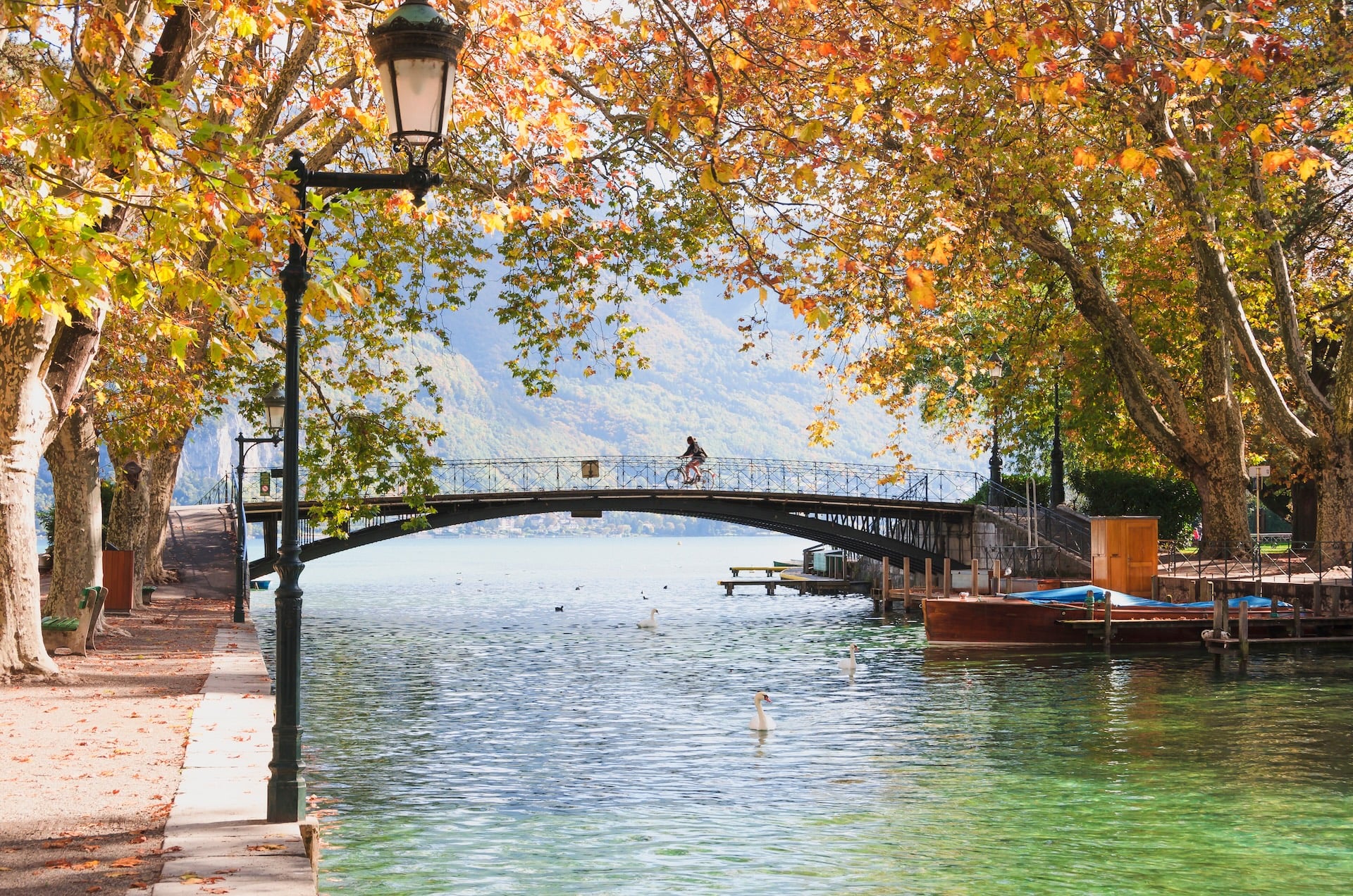
Autumn (September–October): Comfortable 10–18°C rides through the golden vineyards of Lavaux and the Engadin Valley. The air turns crisp, and harvest season gives a cultural flavor to each stop.
Winter (November–March): Cold, often 0–5°C in the lowlands and far below freezing in the Alps. Heavy snow closes mountain passes and makes cycling unsafe — this is the season for winter sports, not bike tours.
Best Season to Ride: May–September
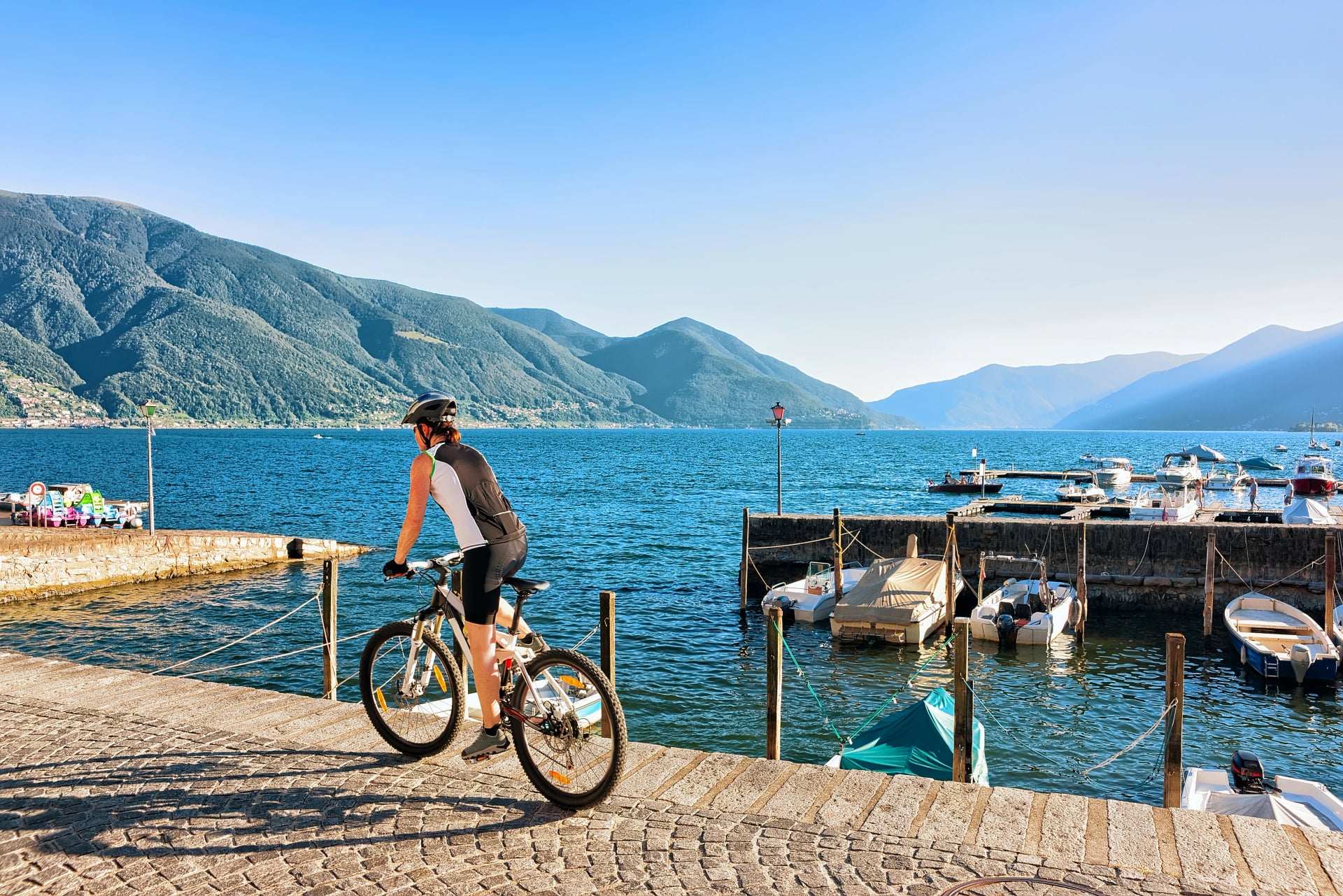
Between late spring and early autumn, Switzerland’s landscapes are at their best. Temperatures stay between 15–25°C, daylight stretches up to 15 hours, and conditions are generally stable. It’s the ideal time for both relaxed lakeside touring and multi-pass challenges. Vineyards glow in June, alpine meadows bloom in July, and by September, mountain reflections shimmer in glassy lakes.
Worst Season to Ride: November–March
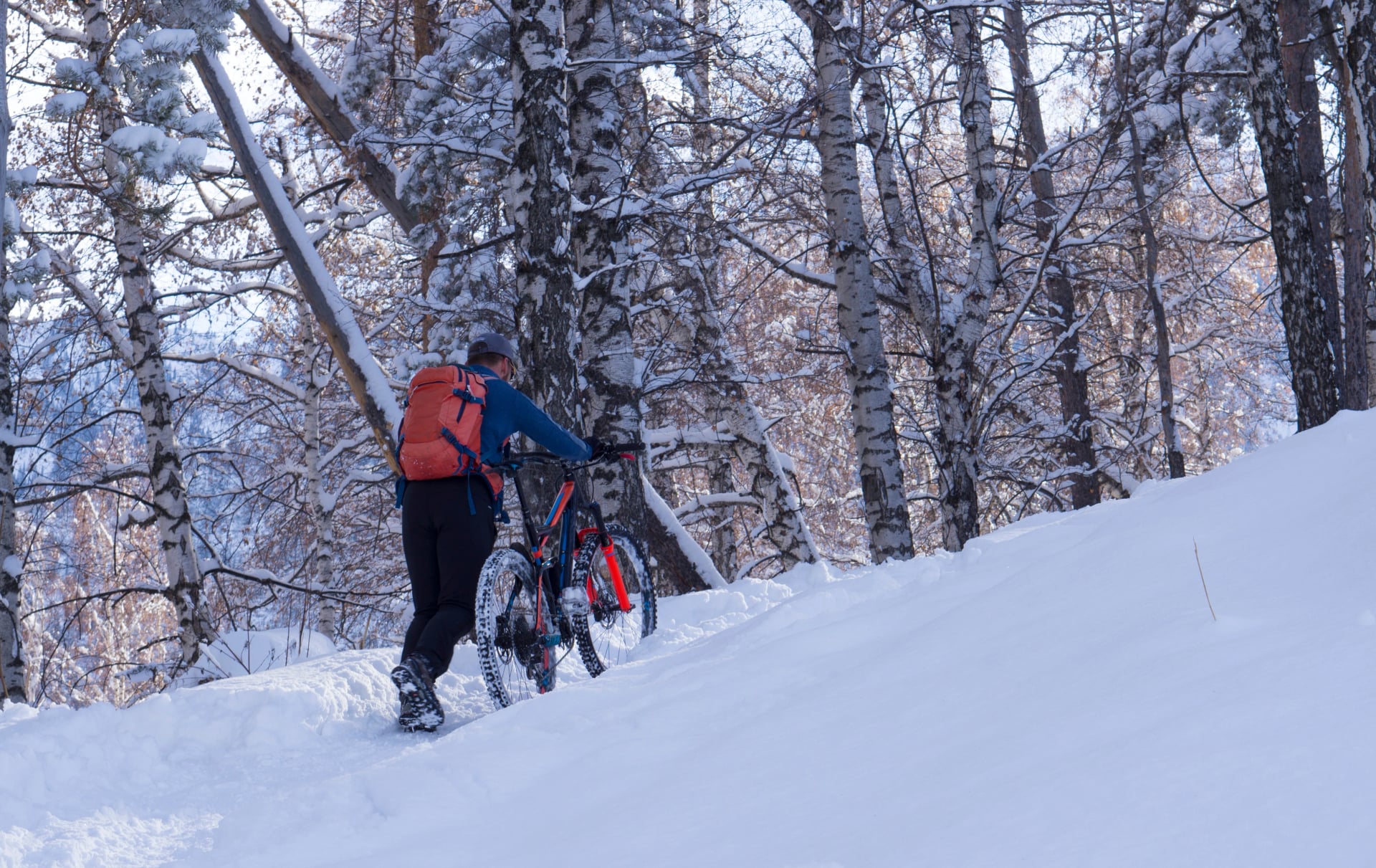
Once winter arrives, snow blankets both valleys and highlands. Alpine passes remain closed, and daylight drops to under 8 hours. Even though the Swiss are experts at winter travel, cycling isn’t practical during this period — though it’s a wonderful time for spa stays, skiing, or scenic train journeys.
Experience Switzerland at its cycling best — when the lakes sparkle, the roads are clear, and every climb rewards you with an unforgettable view. See a more in-depth review in our Swiss weather guide.
Where to Go During Winter Months?
If you’re set on a winter adventure, Switzerland and neighboring Austria and Germany are better enjoyed on skis than on two wheels.
For cycling in the colder months, we recommend looking further south to destinations like Portugal or Spain, where milder conditions and year-round riding are possible.
6. Rich Cultural Heritage
Cycling through Switzerland isn’t just about the scenery — it’s also a journey through centuries of European culture. Roman routes, medieval towns, baroque churches, and Belle Époque resorts all lie along the trails, blending effortlessly into the natural landscape.
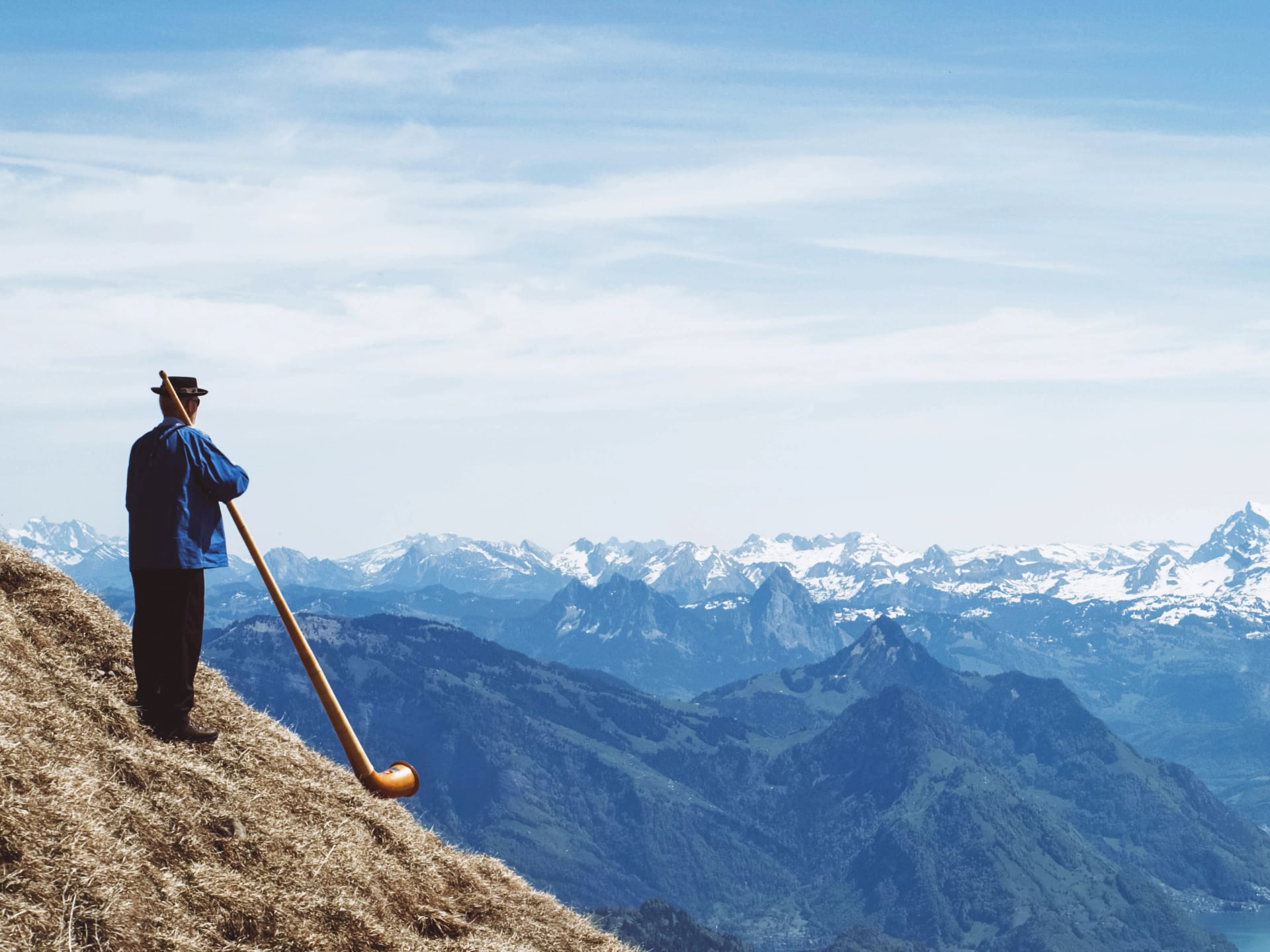
The Alpine environment has shaped Swiss life for centuries — from mountain dairies and wooden chalets to the precision of its railways and the hospitality of its villages.
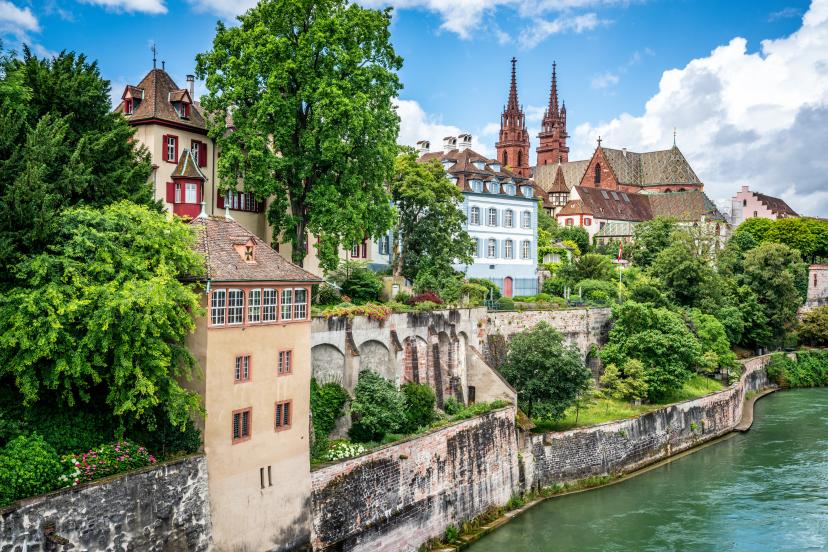
With 13 UNESCO World Heritage Sites, Switzerland’s cultural heritage is remarkably concentrated for such a small country. Routes often pass directly through places of historic and architectural significance — from the Old Town of Bern and the Abbey of St. Gallen to the Lavaux Vineyard Terraces that descend toward Lake Geneva.
Ancient monasteries, lakeside castles, and old merchant towns tell the story of a country shaped by trade, tradition, and timeless craftsmanship. Even the smallest detours — like a stop in Chur, Switzerland’s oldest city, or Lucerne, with its 14th-century Chapel Bridge — feel like stepping back in time.
Highlights along the routes:
Switzerland’s compact size means cultural and scenic highlights are never far apart — a single day’s ride can link Alpine passes with medieval squares and vineyard terraces.
Discover more places and heritage highlights on our Must-See Places in Switzerland page.
7. Food & Wine Along the Way
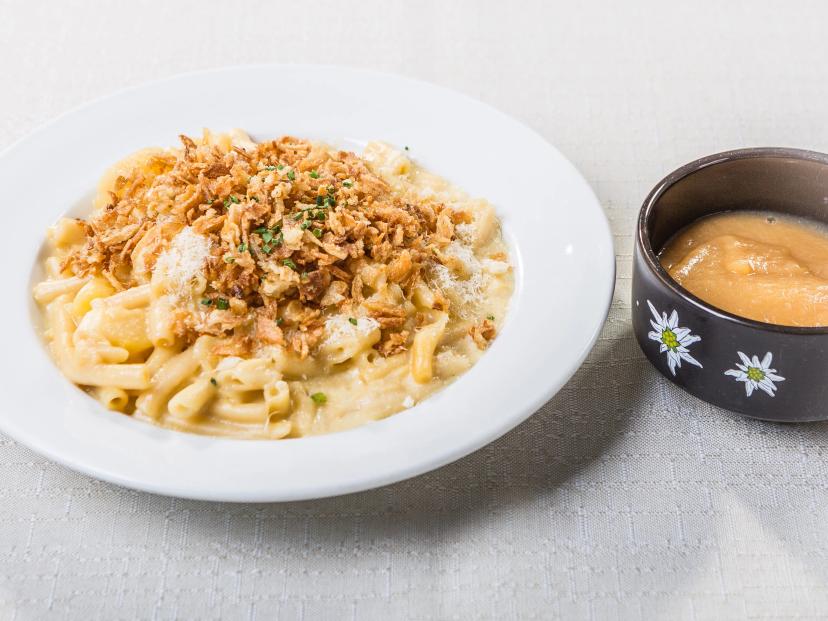
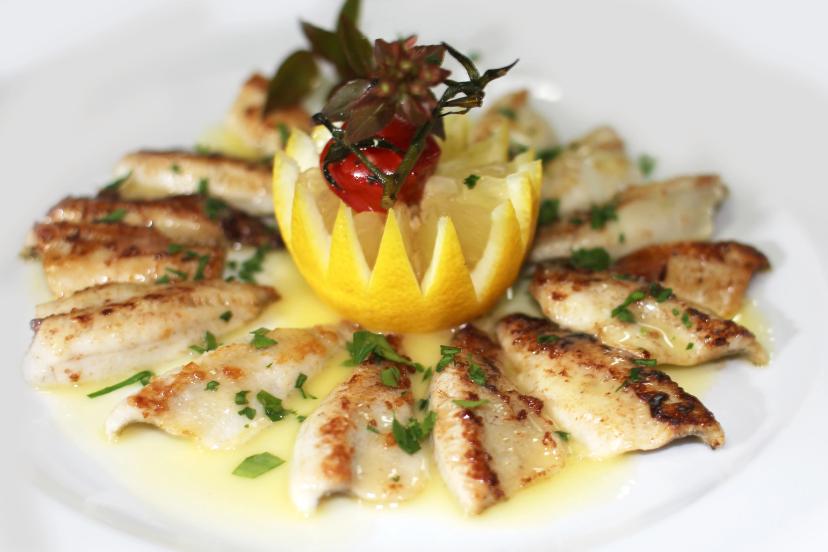
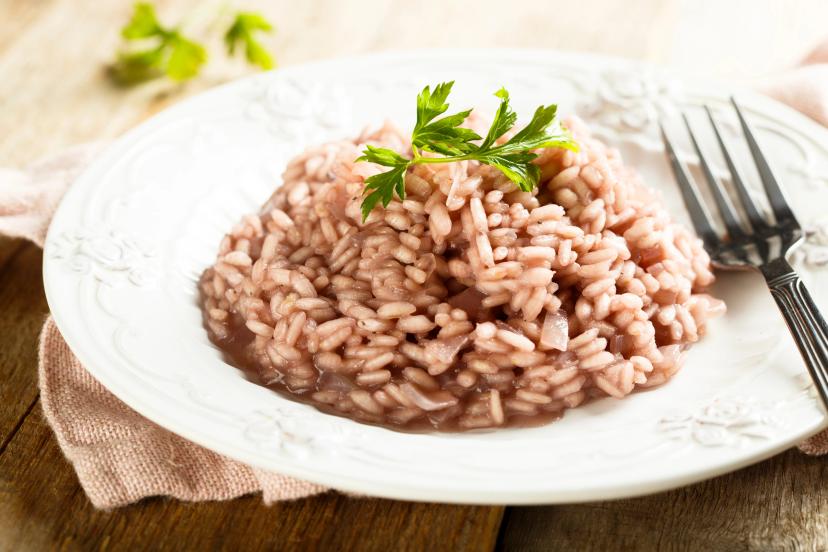
Cycling in Switzerland isn’t just about the scenery — it’s also a culinary journey through one of Europe’s most varied food landscapes. Each region offers a taste of its geography, from mountain dairies to vineyard terraces and lakeside markets.
What to look forward to along the way:
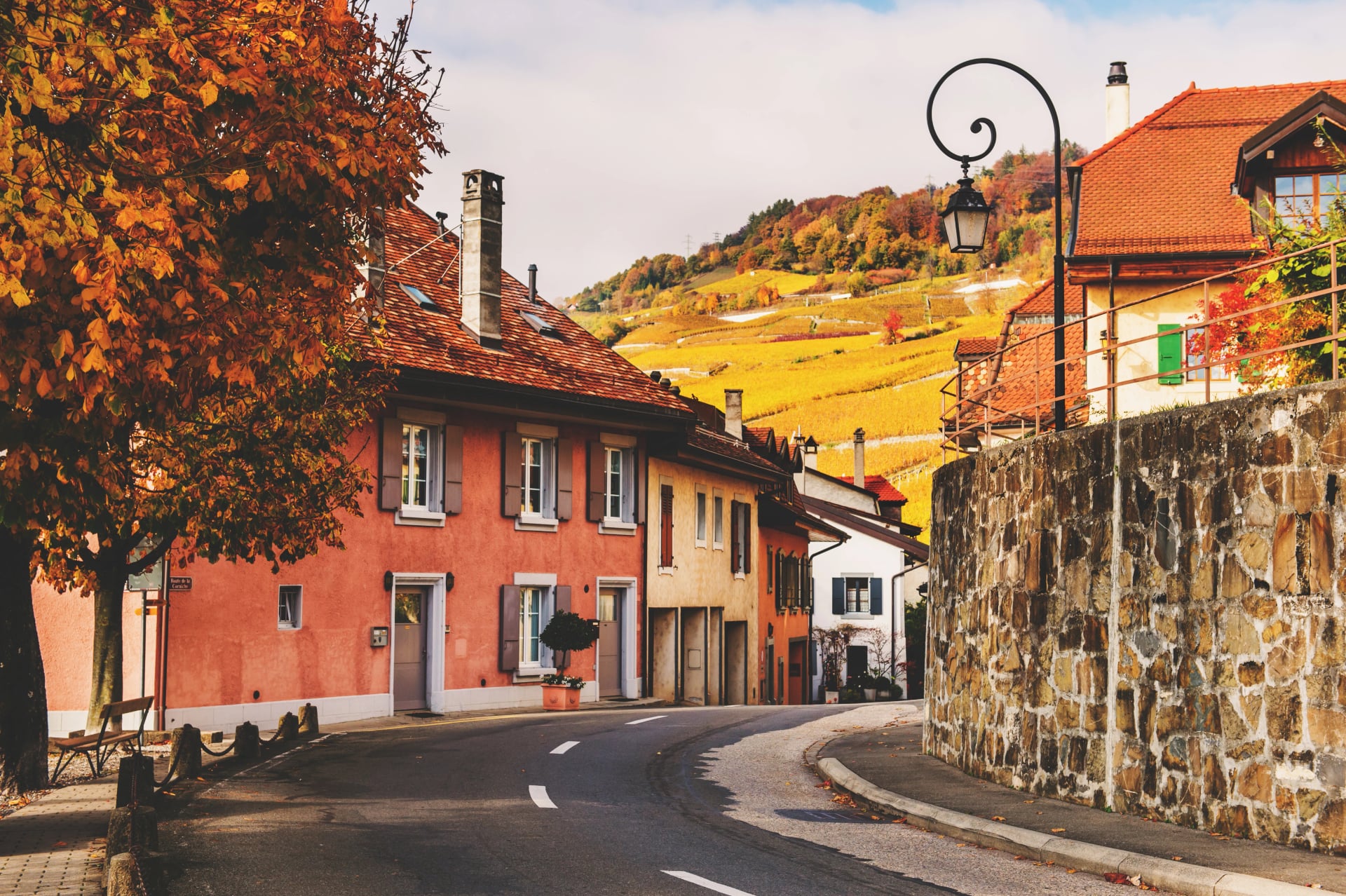
Wine lovers can also sample Chasselas from Lavaux, Pinot Noir from Graubünden, or Merlot from Ticino — all produced within view of the cycling routes themselves.
Hungry for more? See more dishes and pairings in our Cuisine & Wine in Switzerland guide.
8. Accessibility & Communication
Switzerland stands out for its seamless travel logistics — it’s one of the easiest countries in Europe to navigate, whether you’re arriving, departing, or moving between regions on tour. Distances are short, public transport is famously punctual, and nearly every train, ferry, or PostBus can carry bicycles.
Getting there is simple:
Zurich Airport (ZRH) – Switzerland’s main international hub, ideal for tours in Central and Eastern regions.
Geneva Airport (GVA) – Perfect for exploring western Switzerland and the Lake Geneva area.
Basel Airport (BSL) – Convenient for Rhine routes and cross-border cycling into France or Germany.
Getting around is even easier:
The Swiss Travel Pass offers unlimited public transport, with optional bike add-ons for trains and ferries.
Veloland Schweiz signage and integrated transport links allow you to combine rail and cycling stages effortlessly.
Bike-friendly accommodation and rental stations are common, even in small towns.
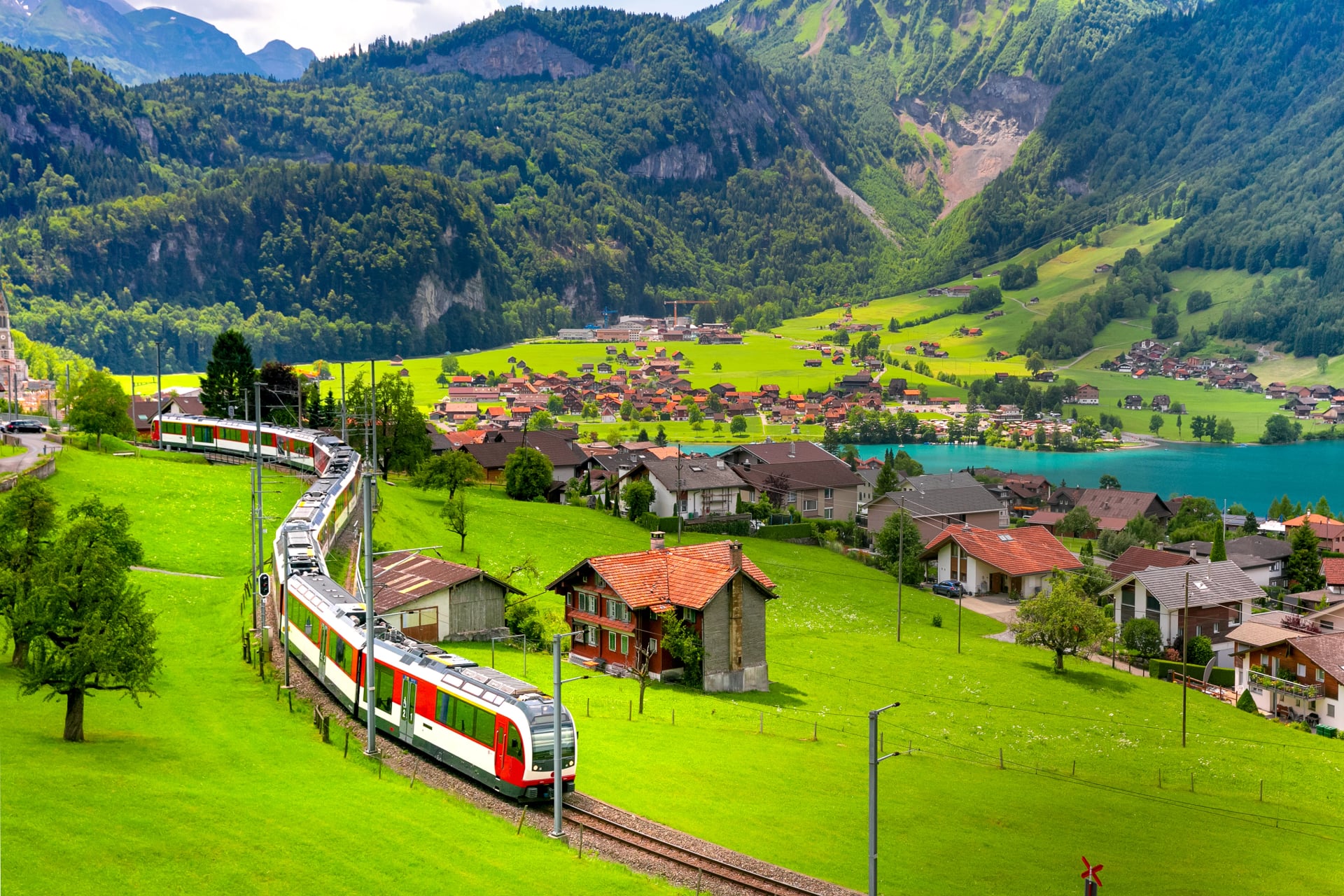
Language barriers are minimal. Switzerland has four national languages — German, French, Italian, and Romansh — but English is widely spoken in all major cycling regions. Multilingual signage makes navigation smooth, and locals are generally eager to help cyclists on their way.
We have gathered all the most important information about accessibility in Switzerland in our Swiss ultimate guide.
The Ride of a Lifetime
Few places blend scenery, safety, and seamless travel like Switzerland. From glassy lakes to Alpine passes, every ride feels effortless yet unforgettable — proof that this country was built for cycling.
Ready to plan your own Swiss adventure? Contact us today and we’ll help you design the perfect cycling holiday.



Plan with a cycling expert
Free advice from a team that knows these routes inside out - real people, not a bot

Hassle-Free
We take care of route planning, accommodations, luggage transfers, and all logistics, so you can focus purely on enjoying your ride.

Tried & Tested Adventures
Our cycling routes are hand-picked & tested, to ensure breathtaking landscapes, smooth roads, and maximum safety - giving you the perfect ride every day.

Unbeatable Support
Our 24/7 customer support is where we show our passion, ensuring your cycling holiday runs smoothly and your well-being is always our top priority.

Book with Confidence
We are a financially protected company, fully bonded and insured, keeping your money safe and allowing you to travel with confidence.